
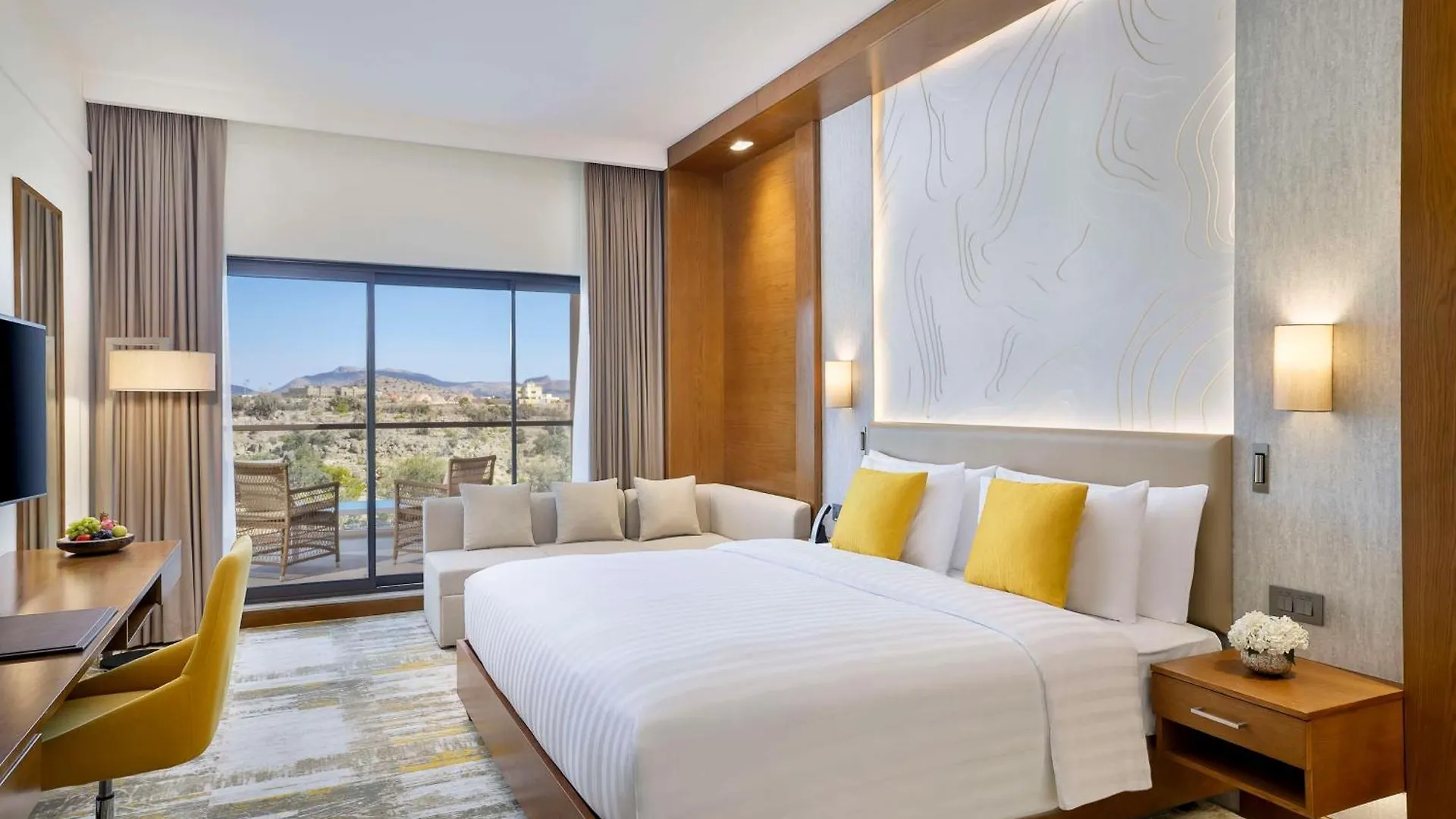
Oman has built a distinct reputation for spa hospitality that goes well beyond standard amenities - hammams, wellness retreats set inside wadis, mountain-altitude pools, and private beach villas with in-villa spa rooms are all real options across the country. Whether you're based in Muscat, heading to the Musandam Peninsula, or exploring the interior around Jabal Akhdar, the spa hotel offer here is more varied - and more geographically spread - than most travelers expect.
What It's Like Staying in Oman
Oman is a country of dramatic contrasts: fjord-like coastlines in Musandam, rose-scented mountain villages at Jabal Akhdar, vast gravel plains in the interior, and a well-preserved capital in Muscat. Tourism infrastructure is high-quality but deliberately unhurried - the government limits mass-market development, which keeps the experience exclusive by default. Crowds are minimal compared to the UAE or Jordan, and outside Muscat's city center, you'll rarely feel overwhelmed by other visitors. That said, distances between regions are long - driving from Muscat to Khasab takes over 5 hours - so regional planning matters more here than in a compact destination. Travelers used to resort-only trips may underestimate Oman's road distances.
Pros:
- Low tourist density across most regions - including beach areas and mountain resorts
- Extremely safe travel environment with a well-maintained road network connecting key spa destinations
- Authentic Omani architecture and design actively integrated into hotel experiences
Cons:
- Alcohol is restricted to licensed hotel venues, limiting independent dining options
- Distances between regions require dedicated planning - not a country you can explore spontaneously
- Summer heat (June-September) makes outdoor activities impractical in most lowland areas
Why Choose a Spa Hotel in Oman
Spa hotels in Oman occupy a specific niche: they're not just properties with a massage room attached. The country's top spa resorts are built around full wellness programs - integrating hammams, hydrotherapy, altitude-specific treatments, and in some cases, private spa villas with dedicated treatment rooms. Entry-level 4-star spa hotels in Oman typically start around OMR 60-80 per night, while luxury spa resorts with private pools and beachfront access can reach OMR 300-500 per night or higher. Room sizes are generally generous by regional standards - even mid-range properties tend to offer rooms above 35 m2. The trade-off at remote spa resorts is captive pricing: dining, activities, and treatments are all on-property, which adds up quickly. Budget at least OMR 30-50 extra per day for treatments and F&B if you choose a remote resort-style property.
Pros:
- Spa facilities in Oman are architecturally integrated - not afterthoughts - with hammams, outdoor treatment areas, and nature-facing relaxation zones common
- Many spa hotels double as activity bases (diving, hiking, snorkeling), giving structured itineraries without leaving the property
- High staff-to-guest ratios at premium properties mean treatments are genuinely personalised
Cons:
- Remote spa resorts require a car or paid transfer - public transport does not serve most locations
- On-property dining monopoly at isolated resorts means F&B costs can rival room rates
- Spa treatment bookings fill up fast during peak season - walk-in slots are rarely available at top properties
Practical Booking & Area Strategy
Muscat is the natural base for first-time visitors - it connects to most domestic itineraries and has the widest hotel supply, but the most compelling spa experiences are outside the capital. Jabal Akhdar (around 2,000 m above sea level) offers a cooler climate year-round, making it one of the few areas in Oman where visiting during summer is genuinely comfortable. The Musandam Peninsula - Oman's northern exclave bordering the UAE - is logistically easier to reach from Dubai than from Muscat, and its fjord scenery adds a layer of experience no other region can match. For a beach-and-spa combination, the Mussanah coastline on the Gulf of Oman sits roughly 90 minutes from Muscat and delivers marina access alongside resort facilities. Duqm, on the Arabian Sea coast, is an underexplored option - primarily a business destination, but its beachfront spa hotels offer significantly lower rates than Muscat-area equivalents with comparable quality. Sohar, 225 km north of Muscat, is a genuine hidden gem for travelers combining a spa stay with Sohar Fort and the northern agricultural region. Pre-book spa treatments alongside your room - especially for weekend stays (Thursday-Friday in Oman) when domestic demand peaks sharply.
Luxury Spa Resorts: Mountain & Coastal Retreats
These properties lead on immersive spa experiences, private natural settings, and signature wellness infrastructure - with locations that are destinations in their own right.
-
1. Six Senses Zighy Bay
Show on map


 Check-infrom 15:00 until 23:30Check-outfrom 04:00 until 12:00
Just a few rooms left at the best rate!
fromOMR 3533
-
2. Dusitd2 Naseem Resort, Jabal Akhdar, Oman
Show on map


 Check-infrom 15:00 until 23:59Check-outfrom 03:00 until 12:00
Just a few rooms left at the best rate!
fromOMR 114
-
3. The View
Show on map


 Check-infrom 14:00 until 23:59Check-outuntil 10:00
Just a few rooms left at the best rate!
fromOMR 240
4-Star Spa Hotels: Coastal, City & Regional Options
These properties offer structured spa and wellness facilities at more accessible price points, with locations that suit travelers combining a spa stay with regional exploration or business travel.
-
4. Barcelo Mussanah Resort, Sultanate Of Oman
Show on map


 Check-infrom 15:00 until 23:30Check-outfrom 06:00 until 11:00
Hurry – almost gone at this price!
fromOMR 23
-
5. Atana Musandam Resort
Show on map


 Check-infrom 14:00 until 23:59Check-outuntil 12:00
Hurry – almost gone at this price!
fromOMR 56
-
6. Crowne Plaza Sohar By Ihg
Show on map


 Check-infrom 14:00 until 23:59Check-outuntil 12:00
Hurry – almost gone at this price!
fromOMR 39
-
7. Crowne Plaza Duqm By Ihg
Show on map


 Check-infrom 14:00 until 23:59Check-outuntil 12:00
Rooms filling fast – secure the best rate!
fromOMR 40
-
8. Ayla Ibri Hotel & Mall
Show on map


 Check-infrom 14:00 until 23:59Check-outuntil 12:00
Rooms filling fast – secure the best rate!
fromOMR 22
Smart Travel & Timing Advice for Spa Hotels in Oman
The most practical window for visiting Oman's spa hotels is October through April - when temperatures in coastal and interior areas drop to comfortable levels and outdoor pool use becomes genuinely enjoyable. December and January are peak season - expect room rates at top spa resorts to run around 40% higher than the off-season equivalent, and spa treatment slots to fill within 24-48 hours of check-in. Jabal Akhdar is the exception: its altitude keeps summer temperatures around 15-20°C cooler than Muscat, meaning DusitD2 Naseem Resort stays viable even in July and August when most coastal hotels are too hot for outdoor enjoyment. For Musandam (Atana Resort, Six Senses Zighy Bay), winter weekends from the UAE market drive significant demand - book at least 3 weeks ahead for Thursday and Friday nights. If price is a priority, February and early March offer good value while weather remains excellent. A minimum stay of 3 nights makes sense at remote resorts like Six Senses Zighy Bay or Barceló Mussanah to justify the logistics of getting there. Last-minute availability exists for mid-week arrivals at city-adjacent properties like Crowne Plaza Sohar, but not at destination resorts.


