
The Oman Natural History Museum sits inside the Ministry of Heritage and Culture complex on Way 5003 in Al Khuwair - one of Muscat's most developed and well-connected urban districts. Staying in this zone means quick access to a museum housing over 260-million-year-old fossil traces and an entire whale skeleton hall, without the congestion and tourist pricing that surrounds the old Muttrah waterfront. Both design hotels featured here sit within the Al Khuwair corridor, bringing travelers closer not just to the museum but to a district defined by contemporary architecture, ministerial buildings, and a structured urban rhythm that Muscat's older quarters simply don't offer.
What It's Like Staying Near the Natural History Museum
Al Khuwair is Muscat's most organized modern district - a place of wide boulevards, government ministry buildings, and low-rise commercial blocks that keep the area functional without the chaos found near Muttrah Souq. The Natural History Museum sits opposite the Zawawi Mosque, anchoring a stretch of Way 3 that blends institutional architecture with retail strips and green spaces. Walking directly from your hotel to the museum is realistic if your property sits within 1.5 km, but Muscat's heat - regularly above 35°C from April through October - means most guests will rely on hotel shuttles or short taxi rides rather than walking, even for nearby distances. The district attracts government workers, regional business travelers, and a growing number of families visiting the Sultan Qaboos Grand Mosque and Muscat Grand Mall, which means the area maintains a consistent, calm pace rather than tourist surge patterns.
Who benefits most from staying here are travelers combining cultural visits - the museum, the mosque, and the Royal Opera House - with business meetings at the nearby ministries, as all three sit within a 5 km radius. Those seeking a beach resort atmosphere or the bazaar energy of Muttrah will find Al Khuwair too structured and quiet for their taste.
Pros:
- * Direct access to the Natural History Museum, Sultan Qaboos Grand Mosque, and Royal Opera House within a single district
- * Quieter, more organized streetscape compared to Muttrah or Ruwi, with less nighttime noise
- * Strong transport links via Sultan Qaboos Street, making broader Muscat exploration efficient
Cons:
- * Outdoor walking between sites is impractical in peak summer heat without prior planning
- * No walkable beach access - Qurum Beach requires a taxi or drive
- * Limited late-night dining options in the immediate ministry zone compared to busier Muscat districts
Why Choose Exceptional Design Hotels Near the Natural History Museum
Design-forward hotels in Al Khuwair deliver a level of spatial thinking and aesthetic coherence that standard chain properties in this corridor don't match - think rooftop pools with Gulf of Oman sight lines, Thai-influenced wellness architecture, and dining concepts that place cultural fusion at the center of the experience. Rooms in this category tend to run noticeably larger than the Muscat average, with soundproofed walls, individual climate control, and curated lobby spaces that reflect a deliberate design intent rather than generic hospitality formulas. The trade-off is pricing: design-category stays in Al Khuwair typically sit around 20% above the area's standard four-star range, and during the October-March high season, availability tightens fast at properties with distinctive offerings like Spa Cenvaree or a rooftop infinity pool. Travelers focused purely on the lowest rate per night will find more transactional options nearby, but none with the same programmatic identity.
Main advantages of this hotel category here:
- * Architecturally intentional interiors - rooftop pools, wellness suites, and curated dining that reflect a design philosophy specific to each property
- * Larger, soundproofed rooms with premium in-room technology (iPod docks, satellite TV, individual climate control) not consistently found at lower-tier nearby alternatives
- * Multi-concept dining on-site (Lebanese, Turkish, Thai-fusion) that removes the need for taxis to reach quality restaurants in the evening
Main trade-offs in this specific zone:
- * Higher nightly rates during the October-March tourism window, when design hotels fill first
- * Driving or taxi required for beach access, old city Muttrah, and Qurum Nature Reserve
- * Rooftop pools at these properties are heated and open year-round but are smaller than resort-scale pools found in Qurum or Al Mouj
Practical Booking & Area Strategy Near the Natural History Museum
The Natural History Museum is located on Way 3 inside the Ministry of Heritage and Culture compound in Al Khuwair 14 - properties on or directly off Sultan Qaboos Street (the main east-west artery running through Al Khuwair) place you within the closest viable zone for both the museum and the Royal Opera House on Al Khuwair Street. Muscat Grand Mall, one of the city's largest retail anchors, sits under 3 km from the museum, and the Sultan Qaboos Grand Mosque is reachable within a 10-minute taxi ride - both make this district a logical base for a multi-attraction itinerary. For visitors arriving at Muscat International Airport, the Al Khuwair hotels here sit around 15 minutes by road without traffic, making early morning check-in realistic. Book at least 6 weeks ahead for stays between November and February, when Muscat's cool-season visitors compete for limited stock at the area's best-positioned design properties. The Natural History Museum itself is free to enter and operates Sunday through Thursday, so scheduling your visit on a morning midweek avoids school group crowds that tend to arrive in the 9-11 AM window. Beyond the museum, the nearby Wadi Al Khuwair Corniche offers a walkable waterfront stretch for evenings, and the Oman Avenues Mall provides a practical alternative to Muscat Grand Mall if you're coming from the southern part of the district.
Best Design Hotels Near the Natural History Museum
Both hotels below sit in the Al Khuwair district, within easy reach of the Natural History Museum, and lead the area in design identity, wellness facilities, and dining concepts.
-
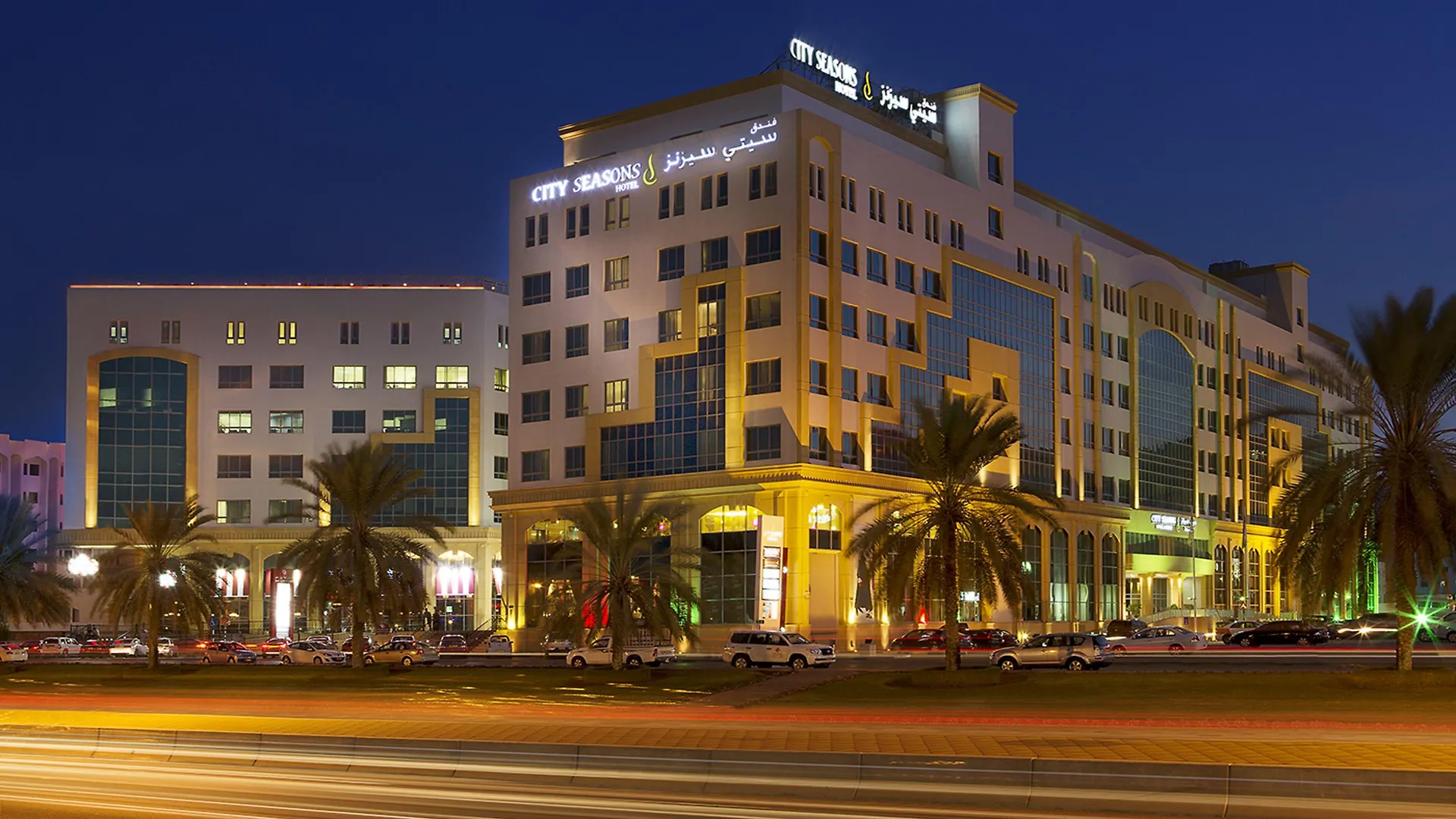
1. City Seasons Hotel & Suites Muscat
Show on map


 Check-infrom 14:00 until 23:59Check-outuntil 12:00
Just a few rooms left at the best rate!
fromOMR 19
-
2. Centara Muscat Hotel Oman
Show on map


 Check-infrom 14:00 until 23:59Check-outuntil 12:00
Hurry – almost gone at this price!
fromOMR 18
Smart Travel & Timing Advice for Staying Near the Natural History Museum
Muscat's high tourist season runs from October through March, when temperatures drop to a workable 20-28°C and the city's cultural circuit - including the Natural History Museum, Sultan Qaboos Grand Mosque, and the Royal Opera House - operates at full capacity with ticketed events and school groups filling mid-week slots. November and February see the sharpest hotel rate spikes in Al Khuwair, driven by regional business travel and the influx of European winter-sun visitors; design properties with distinctive wellness facilities fill first in these months. If your dates are flexible, January offers the most stable combination of cooler weather and manageable visitor numbers at the museum itself. Avoid planning a visit to the Natural History Museum on Fridays - it is closed, as are most government-linked cultural institutions in Oman. A 3-night minimum stay makes the most logistical sense from this base: one day for the museum and Royal Opera House area, one for Sultan Qaboos Grand Mosque and Qurum Beach, and one for a day trip toward Muttrah Souq and the old city of Muscat, which sits around 8 km east of Al Khuwair. Last-minute bookings in the April-September summer window can yield significant discounts at both featured properties, but the outdoor heat makes daytime exploration outside air-conditioned venues genuinely uncomfortable.

